
British Pound Sterling (GBP) Exchange Rates on 27th April 2024 (27/04/2024)
Enter the amount you want to convert, select the second currency and hit 'Enter' or click outside the area.
Exchange rates for British Pound Sterling (GBP)
| Updated: 2024-04-27 | |||||||||
| Convert from | Convert to | 1 GBP | Conversion | in currency | Conversion | ||||
 GBP GBP |
GBP |
1 | GBP to GBP | 1 | GBP to GBP | ||||
| GBP |
 BGN BGN |
2.2822 | GBP to BGN | 0.4382 | BGN to GBP | ||||
| GBP |
 HRK HRK |
8.8417 | GBP to HRK | 0.1131 | HRK to GBP | ||||
| GBP |
 CZK CZK |
29.3403 | GBP to CZK | 0.0341 | CZK to GBP | ||||
| GBP |
 DKK DKK |
8.7051 | GBP to DKK | 0.1149 | DKK to GBP | ||||
| GBP |
 EEK EEK |
0 | GBP to EEK | 0 | EEK to GBP | ||||
| GBP |
 HUF HUF |
459.0086 | GBP to HUF | 0.0022 | HUF to GBP | ||||
| GBP |
 KZT KZT |
554.2484 | GBP to KZT | 0.0018 | KZT to GBP | ||||
| GBP |
 LVL LVL |
0.7554 | GBP to LVL | 1.3238 | LVL to GBP | ||||
| GBP |
 LTL LTL |
0 | GBP to LTL | 0 | LTL to GBP | ||||
| GBP |
 MKD MKD |
71.8192 | GBP to MKD | 0.0139 | MKD to GBP | ||||
| GBP |
 MDL MDL |
22.2453 | GBP to MDL | 0.045 | MDL to GBP | ||||
| GBP |
 NOK NOK |
13.7853 | GBP to NOK | 0.0725 | NOK to GBP | ||||
| GBP |
 PLN PLN |
5.0384 | GBP to PLN | 0.1985 | PLN to GBP | ||||
| GBP |
 RON RON |
5.8157 | GBP to RON | 0.1719 | RON to GBP | ||||
| GBP |
 RUB RUB |
115.2396 | GBP to RUB | 0.0087 | RUB to GBP | ||||
| GBP |
 SKK SKK |
0 | GBP to SKK | 0 | SKK to GBP | ||||
| GBP |
 SEK SEK |
13.5985 | GBP to SEK | 0.0735 | SEK to GBP | ||||
| GBP |
 CHF CHF |
1.1425 | GBP to CHF | 0.8753 | CHF to GBP | ||||
| GBP |
 TRY TRY |
40.596 | GBP to TRY | 0.0246 | TRY to GBP | ||||
| GBP |
 UAH UAH |
49.5722 | GBP to UAH | 0.0202 | UAH to GBP | ||||
| Updated: 2024-04-27 | |||||||||
| Convert from | Convert to | 1 GBP | Conversion | in currency | Conversion | ||||
| GBP |
 ARS ARS |
1093.8284 | GBP to ARS | 0.0009 | ARS to GBP | ||||
| GBP |
 BOB BOB |
8.682 | GBP to BOB | 0.1152 | BOB to GBP | ||||
| GBP |
 BRL BRL |
6.3892 | GBP to BRL | 0.1565 | BRL to GBP | ||||
| GBP |
 CAD CAD |
1.7084 | GBP to CAD | 0.5853 | CAD to GBP | ||||
| GBP |
 KYD KYD |
1.0432 | GBP to KYD | 0.9586 | KYD to GBP | ||||
| GBP |
 CLP CLP |
1188.816 | GBP to CLP | 0.0008 | CLP to GBP | ||||
| GBP |
 COP COP |
4866.202 | GBP to COP | 0.0002 | COP to GBP | ||||
| GBP |
 CRC CRC |
636.0973 | GBP to CRC | 0.0016 | CRC to GBP | ||||
| GBP |
 DOP DOP |
73.3887 | GBP to DOP | 0.0136 | DOP to GBP | ||||
| GBP |
 SVC SVC |
10.954 | GBP to SVC | 0.0913 | SVC to GBP | ||||
| GBP |
 FJD FJD |
2.8254 | GBP to FJD | 0.3539 | FJD to GBP | ||||
| GBP |
 HNL HNL |
30.9132 | GBP to HNL | 0.0323 | HNL to GBP | ||||
| GBP |
 JMD JMD |
195.4272 | GBP to JMD | 0.0051 | JMD to GBP | ||||
| GBP |
 MXN MXN |
21.4295 | GBP to MXN | 0.0467 | MXN to GBP | ||||
| GBP |
 ANG ANG |
2.2562 | GBP to ANG | 0.4432 | ANG to GBP | ||||
| GBP |
 PYG PYG |
9321.5058 | GBP to PYG | 0.0001 | PYG to GBP | ||||
| GBP |
 PEN PEN |
4.7029 | GBP to PEN | 0.2126 | PEN to GBP | ||||
| GBP |
 TTD TTD |
8.5058 | GBP to TTD | 0.1176 | TTD to GBP | ||||
| GBP |
 USD USD |
1.2488 | GBP to USD | 0.8008 | USD to GBP | ||||
| GBP |
 UYU UYU |
48.2346 | GBP to UYU | 0.0207 | UYU to GBP | ||||
| GBP |
 VEF VEF |
4524128.0732 | GBP to VEF | 0 | VEF to GBP | ||||
| Updated: 2024-04-27 | |||||||||
| Convert from | Convert to | 1 GBP | Conversion | in currency | Conversion | ||||
| GBP |
 AUD AUD |
1.9124 | GBP to AUD | 0.5229 | AUD to GBP | ||||
| GBP |
 BDT BDT |
137.3953 | GBP to BDT | 0.0073 | BDT to GBP | ||||
| GBP |
 BND BND |
1.704 | GBP to BND | 0.5869 | BND to GBP | ||||
| GBP |
 CNY CNY |
9.0489 | GBP to CNY | 0.1105 | CNY to GBP | ||||
| GBP |
 INR INR |
104.1535 | GBP to INR | 0.0096 | INR to GBP | ||||
| GBP |
 IDR IDR |
20282.0837 | GBP to IDR | 0 | IDR to GBP | ||||
| GBP |
 JPY JPY |
197.4288 | GBP to JPY | 0.0051 | JPY to GBP | ||||
| GBP |
 MYR MYR |
5.9537 | GBP to MYR | 0.168 | MYR to GBP | ||||
| GBP |
 MVR MVR |
19.3069 | GBP to MVR | 0.0518 | MVR to GBP | ||||
| GBP |
 NPR NPR |
166.8994 | GBP to NPR | 0.006 | NPR to GBP | ||||
| GBP |
 NZD NZD |
2.1025 | GBP to NZD | 0.4756 | NZD to GBP | ||||
| GBP |
 PKR PKR |
348.5222 | GBP to PKR | 0.0029 | PKR to GBP | ||||
| GBP |
 PGK PGK |
4.8323 | GBP to PGK | 0.2069 | PGK to GBP | ||||
| GBP |
 PHP PHP |
71.979 | GBP to PHP | 0.0139 | PHP to GBP | ||||
| GBP |
 SCR SCR |
16.9025 | GBP to SCR | 0.0592 | SCR to GBP | ||||
| GBP |
 SGD SGD |
1.7016 | GBP to SGD | 0.5877 | SGD to GBP | ||||
| GBP |
 KRW KRW |
1720.9565 | GBP to KRW | 0.0006 | KRW to GBP | ||||
| GBP |
 LKR LKR |
370.561 | GBP to LKR | 0.0027 | LKR to GBP | ||||
| GBP |
 TWD TWD |
40.7146 | GBP to TWD | 0.0246 | TWD to GBP | ||||
| GBP |
 THB THB |
46.2243 | GBP to THB | 0.0216 | THB to GBP | ||||
| Updated: 2024-04-27 | |||||||||
| Convert from | Convert to | 1 GBP | Conversion | in currency | Conversion | ||||
| GBP |
 BHD BHD |
0.4704 | GBP to BHD | 2.1259 | BHD to GBP | ||||
| GBP |
 EGP EGP |
59.7694 | GBP to EGP | 0.0167 | EGP to GBP | ||||
| GBP |
 HKD HKD |
9.776 | GBP to HKD | 0.1023 | HKD to GBP | ||||
| GBP |
 ILS ILS |
4.7803 | GBP to ILS | 0.2092 | ILS to GBP | ||||
| GBP |
 JOD JOD |
0.885 | GBP to JOD | 1.1299 | JOD to GBP | ||||
| GBP |
 KWD KWD |
0.3848 | GBP to KWD | 2.599 | KWD to GBP | ||||
| GBP |
 LBP LBP |
112105.6919 | GBP to LBP | 0 | LBP to GBP | ||||
| GBP |
 OMR OMR |
0.4804 | GBP to OMR | 2.0818 | OMR to GBP | ||||
| GBP |
 QAR QAR |
4.5464 | GBP to QAR | 0.22 | QAR to GBP | ||||
| GBP |
 SAR SAR |
4.6837 | GBP to SAR | 0.2135 | SAR to GBP | ||||
| GBP |
 AED AED |
4.5867 | GBP to AED | 0.218 | AED to GBP | ||||
| GBP |
 YER YER |
312.6684 | GBP to YER | 0.0032 | YER to GBP | ||||
| Updated: 2024-04-27 | |||||||||
| Convert from | Convert to | 1 GBP | Conversion | in currency | Conversion | ||||
| GBP |
 DZD DZD |
167.5594 | GBP to DZD | 0.006 | DZD to GBP | ||||
| GBP |
 KES KES |
165.8682 | GBP to KES | 0.006 | KES to GBP | ||||
| GBP |
 MUR MUR |
57.8334 | GBP to MUR | 0.0173 | MUR to GBP | ||||
| GBP |
 MAD MAD |
12.6455 | GBP to MAD | 0.0791 | MAD to GBP | ||||
| GBP |
 NAD NAD |
23.7401 | GBP to NAD | 0.0421 | NAD to GBP | ||||
| GBP |
 NIO NIO |
46.0707 | GBP to NIO | 0.0217 | NIO to GBP | ||||
| GBP |
 NGN NGN |
1631.2071 | GBP to NGN | 0.0006 | NGN to GBP | ||||
| GBP |
 SLL SLL |
26186.6861 | GBP to SLL | 0 | SLL to GBP | ||||
| GBP |
 ZAR ZAR |
23.427 | GBP to ZAR | 0.0427 | ZAR to GBP | ||||
| GBP |
 TZS TZS |
3242.3351 | GBP to TZS | 0.0003 | TZS to GBP | ||||
| GBP |
 TND TND |
3.9313 | GBP to TND | 0.2544 | TND to GBP | ||||
| GBP |
 UGX UGX |
4775.1079 | GBP to UGX | 0.0002 | UGX to GBP | ||||
| GBP |
 XOF XOF |
765.4606 | GBP to XOF | 0.0013 | XOF to GBP | ||||
| GBP |
 ZMK ZMK |
11240.6685 | GBP to ZMK | 0.0001 | ZMK to GBP | ||||
British Pound Sterling (GBP)
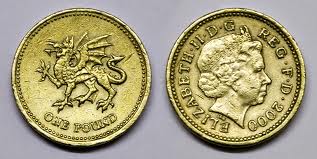
Sign £
1 Pound is subdivided into 100 pence.
GBP is the currency code for the pound sterling which is represented in accounting with the � symbol. The GBP is the fourth most traded currency and third most widely held reserve currency in the world. It is issued by the second oldest central bank in the world, the Bank of England, once known as the Governor and Company of the Bank of England. The Bank of England was, at its formation in 1694, a private bank until 1931 when it was placed under the control of the British Treasury Department with it finally being fully nationalized in 1946. This is how it remained until 1998 when it was returned to the Treasury, this time as a wholly owned, yet independent public organization.
Coins used:
- frequently used: 1p, 2p, 5p, 10p, 20p, 50p, �1, �2
- rarely used: �5
Banknotes used:
- frequently used: �5, �10, �20
- rarely used: �1 (Scot. & IoM only), �50, �100 (Scot. & N. Ireland only)
Central Bank
Bank of England
http://www.bankofengland.co.uk
The Bank of England issues GBP currency within Wales and England and controls GBP issuance in Scotland and Northern Ireland. Though it retains this sovereign control over GBP in these core countries, there are 7 other central banks that have the power to issue GBP throughout the United Kingdom, each in their own respective countries.
This is because GBP is the official currency of the entire United Kingdom, the Channel Islands, the Isle of Man, as well as British dependencies and territories such as South Georgia, the South Sandwich Islands, British Antarctica, as well as Tristan da Cunha. Each of these dependencies and territories have their own issuances of GBP. While not the only major currency in the world that is issued by more than a single central bank, the GBP is the largest currency that has this unique characteristic. This makes it particularly difficult to understand the specific movement of the currency relative to worldwide markets because it is in fact not reflective of the monetary policy or economic condition of a particular nation. The issuance is spread across multiple economies and varied economic conditions as well as the local monetary policy responses to those conditions at any given time.
Therefore even though the Bank of England has a Monetary Policy Committee (MPC), their power over the GBP is limited. This limitation is increased with knowing that the MPC itself is responsible for carrying out directives from the Treasury if such directives are also backed by Parliament. Short of these additional directives, the Bank of England MPC is tasked with pursuing the economic target of price stability through the setting of interest rates. The MPC is comprised of 8 directors and the Governor of the Bank of England. The MPC is designed to be independent of political influence yet is accountable to both the Treasury and Parliament, this accountability certainly influences decisions made, albeit indirectly. The MPC has a substantial impact on the circulation and valuation of the GBP.
The value of the historical currencies of England in the 17th century was as an enforceable legal tender value relative to gold. By 1816 the direct relation of British currency relative to silver was established, this being the first precursor to the existing name as the pound sterling, but as the underlying currency fluctuating between being used as legal tender and simply as a value based banknote. Over time the British currency switched between the gold and silver standard with the any standard being completely abolished in 1914. After World War I they returned to a version of the gold standard in order to stifle post war inflation. The gold standard was once again abolished at the outset of the Great Depression, in 1931, causing a sudden devaluation of the GBP by over 25%. Nine years later in 1940, the Bretton Woods system was adopted and the GBP was pegged to the USD. This held until the pressures of post World War II debt forced England to devalue the currency over 30% in 1949, yet they still remained within Bretton Woods, simply at a lower valuation. In the 1960's with the exchange rate remaining at the 1949 fixed point relative to the USD the GBP was devalued again this time by 14.3% in November 1967. When Bretton Woods finally disintegrated in 1971, the GBP became a de facto floating currency and has remained as such to the current day.
This long history of the GBP shows the ways in which some valuations and currencies can experience long periods of stability and then bounce through different standards, valuations, and policies within a single decade. Within each of these movements there is a complexity of international issues and interdependence that affects each new development. The most recent of which is the debate of whether the GBP should be consolidated into the euro. This consolidation would be complex given the dispersed central bank structure of the GBP and could include a partial transfer of the GBP to EUR leaving the remaining GBP issuers outside the eurozone. This is treated primarily as a political topic relative to the GBP and yet it can and will have a substantial impact on the economies of the United Kingdom as well as all those using it not only as a reserve currency to supplement the euro, effectively narrowing their diversification, but also for those that see the largess of the United Kingdom economy substantially influencing the current dynamics within the eurozone.
These are all value and circulation issues that will drastically impact the GBP as a currency over the next 2-10 years. Aside from the political issues of circulation, absorption into the euro, and standards of value is the current issue of GBP acceptance as legal tender. As it stands, similar to the CAD, which has its roots in ties to the GBP, there are maximum legal values set for acceptance of the GBP as legal tender. These guidelines place maximum restrictions at 20p with 1p or 2p coins, �5 with 5p or 10p coins, �10 with 20p through 50p coins, and unlimited with �1-� 5 coins. There is no restriction on the acceptance of banknotes as legal tender.
The GBP is a complex currency that is difficult to forecast given the diversity of central banks and corresponding economies to which each serves. This is further complicated when noting the rapidly changing history of the standard of value connected and rapidly changing history of the GBP, this combines further with the uncertainty of joining the eurozone and the consequences that will result. All of these factors combine to form an uncertain future for the GBP and its place within world trade and as a sovereign currency.
Other References
Wikipedia article on British Pound Sterling
Have more info on the British Pound Sterling? Please contact us